According to the industry association OE-A, printed electronics as a future technology is expected to grow by around 13 percent in 2022. Products and production processes are constantly being improved and more and more products are proving successful on the market. Demand for printed electronic components is increasing, particularly for current key technologies such as smart living and e-mobility. The primary advantages are obvious: the new technologies are easy to use, flexible and cost-efficient.
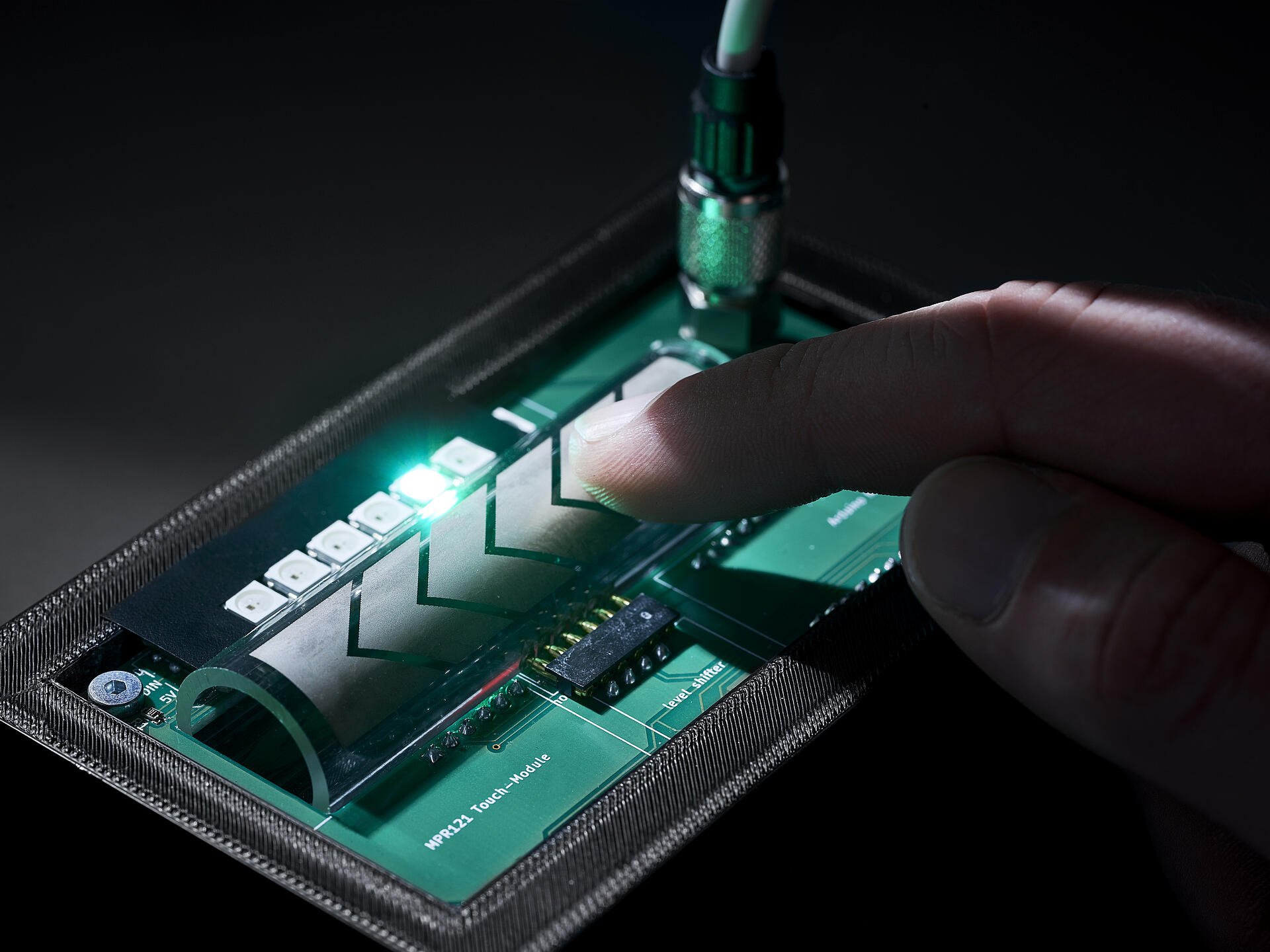
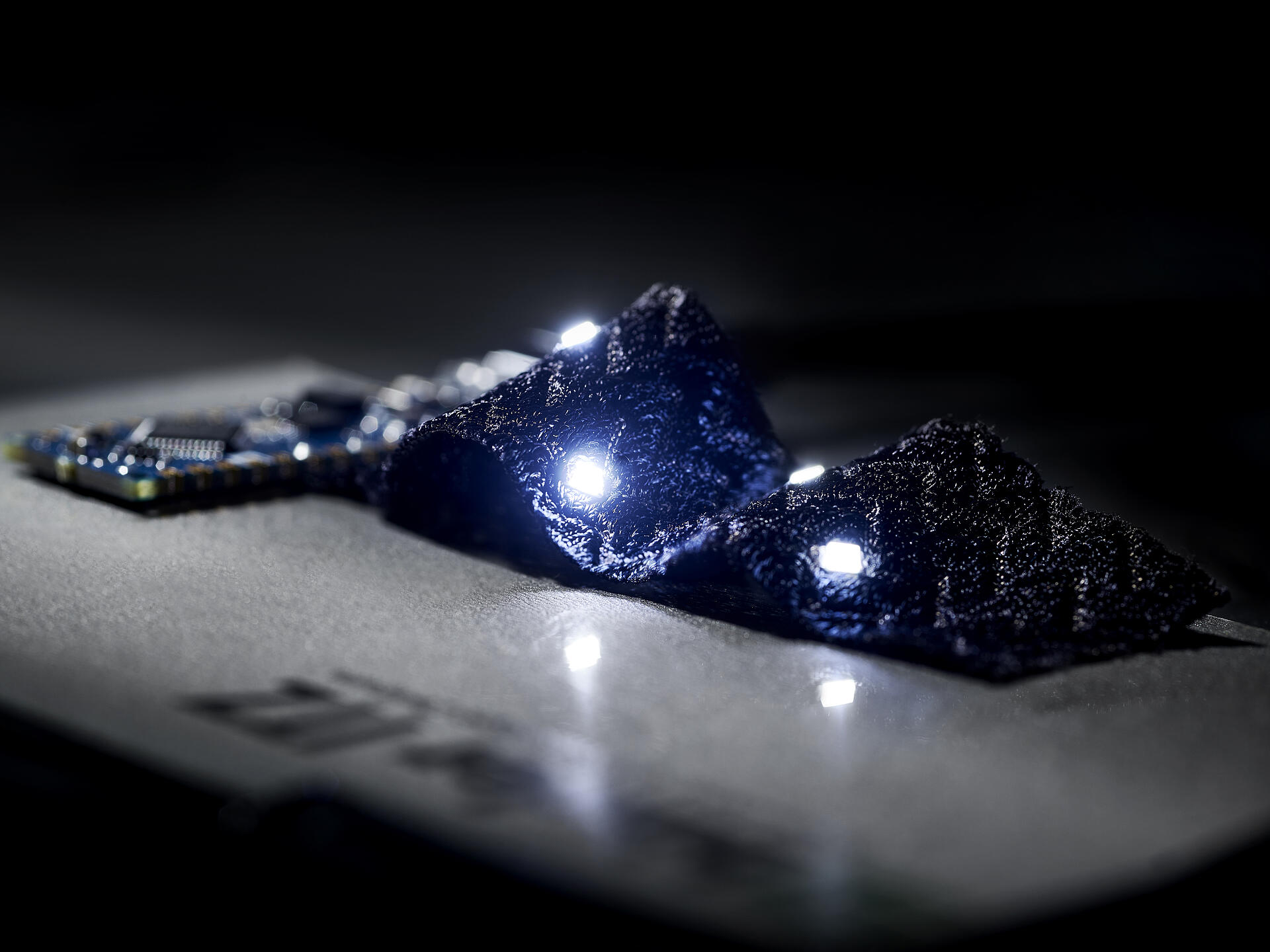
The Innovations- and Technologiezentrum of Franz Binder GmbH & Co. Elektrische Bauelemente KG will also have its own stand at the trade fair. The binder IT Centre's exhibits include prototypes and samples for functional layers created using screen and pad printing. The printing process developed by binder can specifically functionalise surfaces to create sensor components, for example: touch, temperature or force sensors can be applied directly to customer components. Printed sensors of this type are in great demand in medical technology, for example.
Another key product is contacting solutions for printed components, which are a central aspect of so-called hybrid systems. Such systems consist of a printed component, usually the sensor, and conventional electronics - such as a circuit board in SMD or THT design. While conventional methods such as soldering and screwing are used for conventional components, contacting printed components is more difficult to realise due to the wide range of printing materials - bonding or crimping methods are usually more suitable.
The binder ITZ, which you will find at LOPEC in Hall B0, Stand 404, is looking forward to your visit.
Facts about LOPEC (data from the last in-person trade fair in 2019):
- 163 exhibitors from 19 countries
- 2,700 participants from 44 countries - more than half of them from abroad
- 200 conference papers from 25 countries